James Nachtwey
Memoria
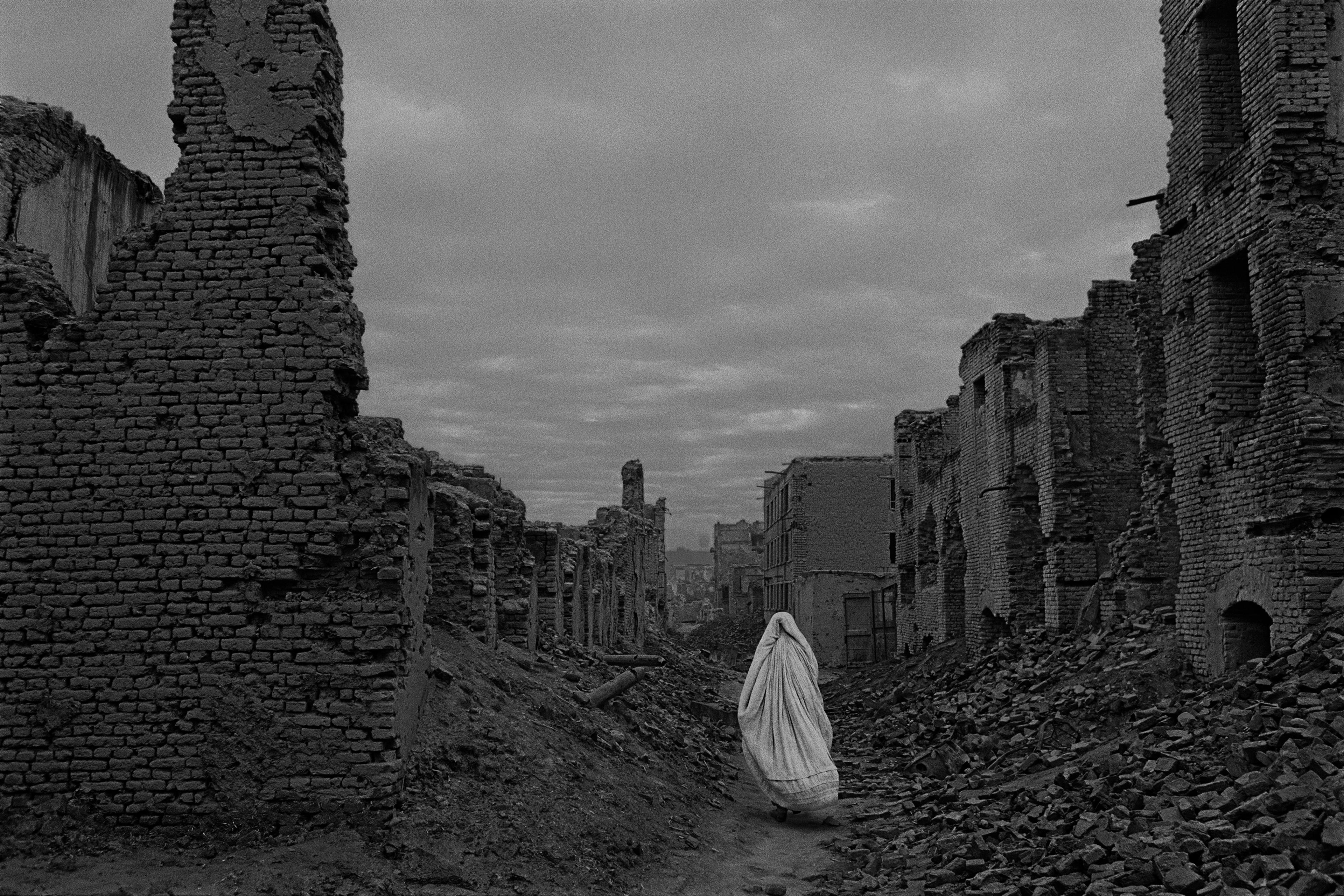
What does it mean to witness the worst things humans do to one another and still believe in compassion? Memoria showcases the powerful photographic work of James Nachtwey, one of the most influential photojournalists of our time. He spent four decades documenting conflict, injustice, and the fragile traces of humanity within these crises.
The exhibition centers on the human consequences of war and critical social issues, highlighting the individual within large-scale historical upheavals. It also reflects on the essential role of photography itself: as a medium of memory, an act of preservation, and a tool that resists forgetting. While his photographs inevitably contribute to preserving history, their foremost purpose lies in illuminating urgent realities in the present – creating awareness where there is neglect and prompting viewers to confront the conditions that demand change. It is this immediate impact, this activation of public consciousness, that motivates his work; only later do the images endure as records of what must not be forgotten. In this way, photography interrupts cycles of violence and erasure, safeguarding histories that might otherwise be lost.
„We should stop calling him a ‘war photographer’. Instead, look upon him as a man of peace, a man whose longing for peace makes him go to war and expose himself.“
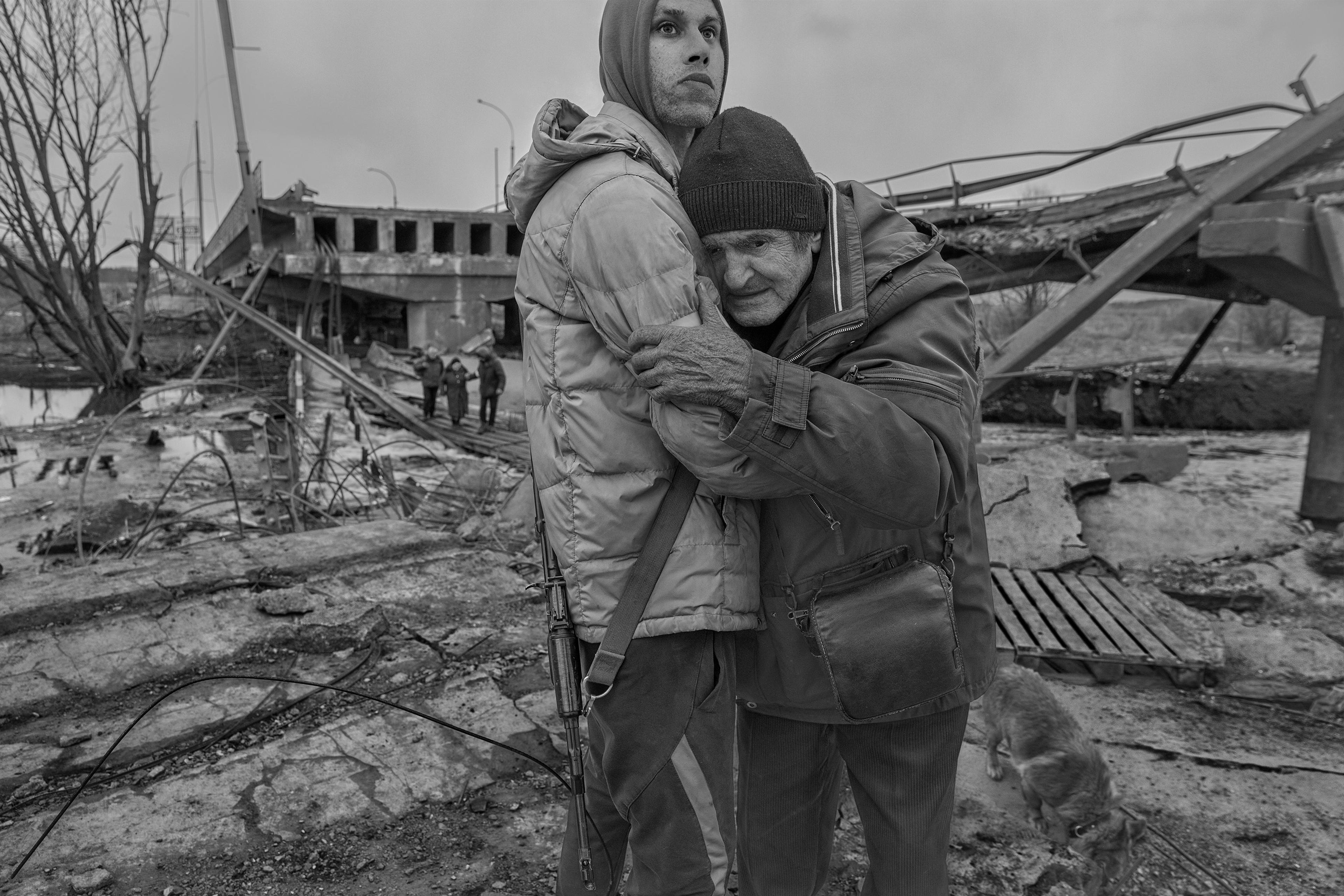
Some of the photographs in Memoria appear almost formally composed. Yet they were made in fractions of seconds, in conditions where instinct was all he could rely on. Nachtwey often found himself working in circumstances where his life was in danger. He documented nearly every major conflict of the modern era – from the wars in the former Yugoslavia, Chechnya, and the Middle East, to the genocide in Rwanda, famine in Somalia and Sudan, and the long arc of conflict in Afghanistan beginning in the 1980s. He stood where others could not or would not stand, always with the same guiding principle: to witness without exploiting, to show suffering without stripping people of their dignity, and to insist that even in scenes of devastation, human presence still matters.
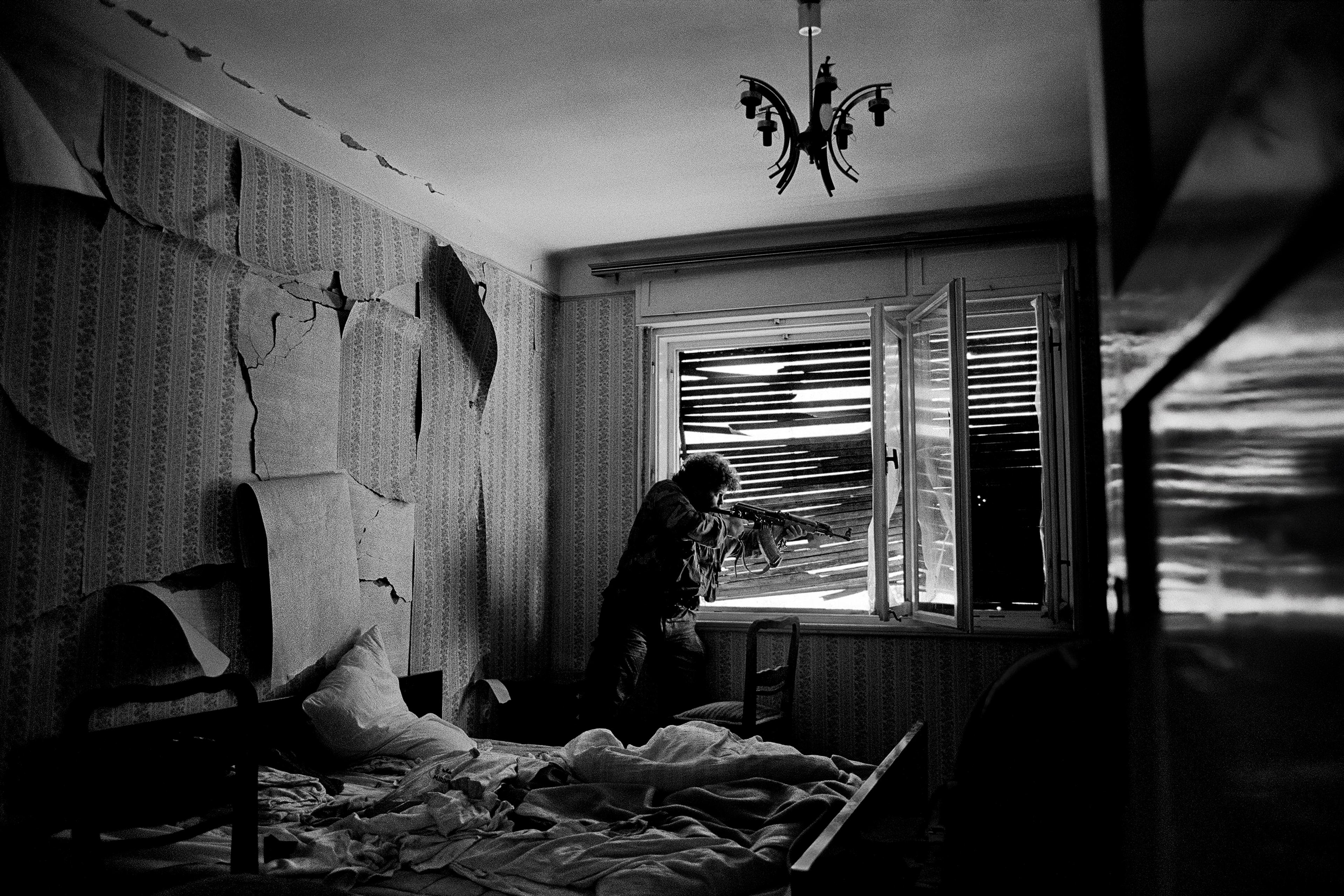
With the exhibition you are invited to slow down and see the world as Nachtwey sees it: not as a sequence of catastrophes, but as a fragile continuum of human experience. The work is not about combat; it is about the longing for peace in places where peace has collapsed. As his images reveal the impact of injustice and violence, they are also evoking compassion, empathy, and a sense of shared responsibility. They urge us to look closely and to remember.
ABOUT THE ARTIST
James Nachtwey (b. 1948) is widely regarded as one of the leading photojournalists of the last half-century. Since 1981, he has documented conflict and social upheaval across the globe, working as a contract photographer for TIME since 1984, as a member of Magnum Photos from 1986 to 2000 and as a founding member of the photo agency VII from 2001 to 2008. His work has received numerous accolades, including the Robert Capa Gold Medal five times, the Magazine Photographer of the Year eight times, the World Press Photo of the Year Award twice, the Dan David Prize, the TED Prize, and the Princess of Asturias Award. Nachtwey’s photographs are held in major international collections such as the Museum of Modern Art, the Whitney Museum of American Art, the San Francisco Museum of Modern Art, the Boston Museum of Fine Arts, the National Gallery in Washington, D.C., the Bibliothèque nationale de France, Centre Pompidou and the Getty Museum. In 2001, War Photographer, a feature length documentary film, directed by Christian Frei, about the life and work of James Nachtwey was nominated for an Academy Award.
CREDITS
The exhibition is curated by James Nachtwey, in collaboration with Claire Ducresson-Boët, Exhibitions Manager, Fotografiska Berlin, and Thomas Schäfer, Director of Exhibitions, Fotografiska Berlin.