Paul McCartney
Photographs 1963–64: Eyes of the Storm
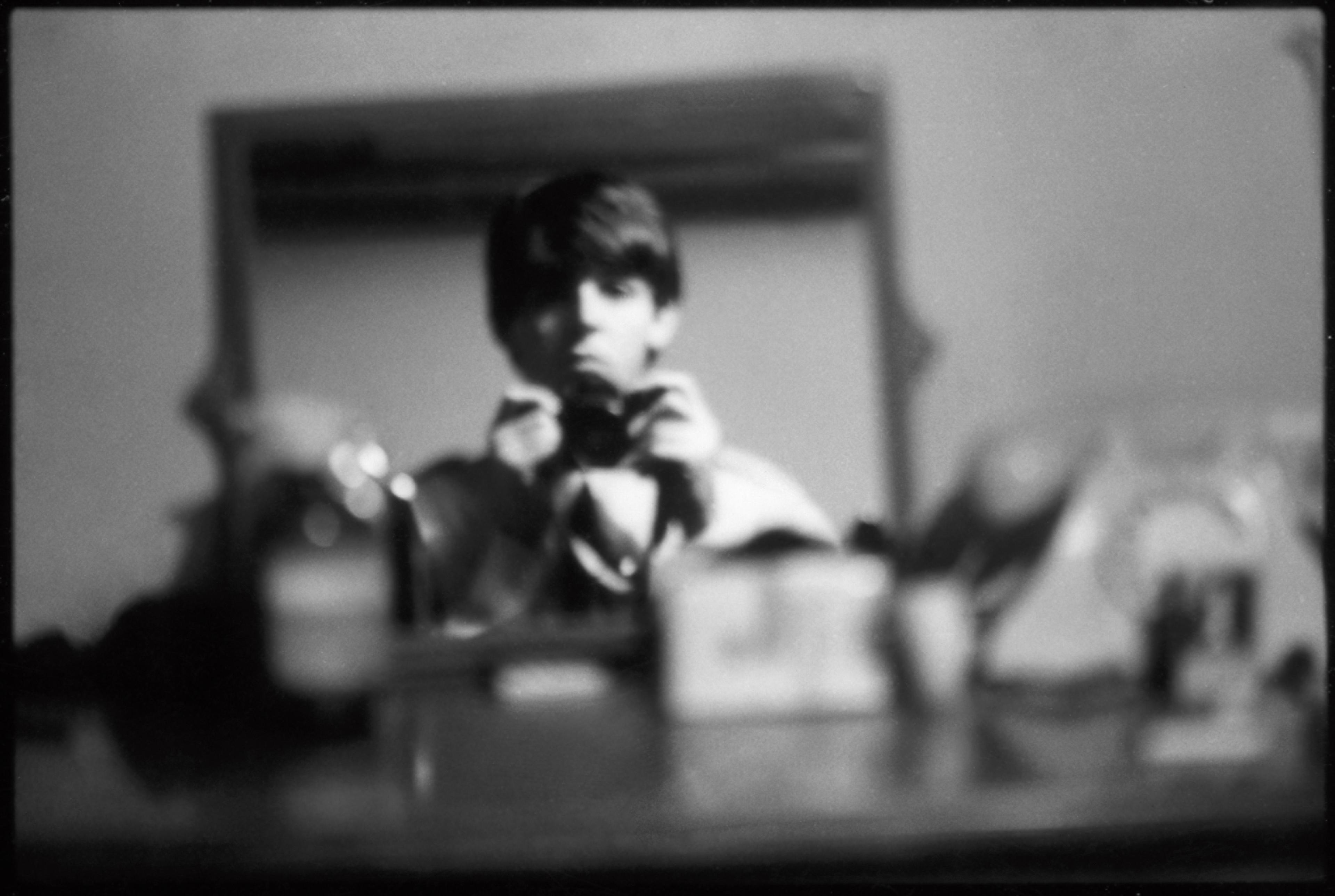
New York, February 1964: The Beatles are in the back of a limousine, moving through a city that already seems to know where they are headed. Outside, fans gather behind police lines and reporters follow their arrival in real time. Inside the car, Paul McCartney, John Lennon, George Harrison, and Ringo Starr, listen as the radio turns their journey from the airport into a live update. In just twelve weeks, The Beatles had gone from regional fame to a global phenomenon. The exhibition follows that remarkable ascent, city by city. As the world turned its cameras on them, Paul McCartney began to look back, finger on the shutter.
Through photographs, video, and archival materials, Paul McCartney’s Photographs 1963–64: Eyes of the Storm offers a rare encounter with one of music history's most documented moments – seen not from the crowd or the press line, but through the eyes of someone living it.
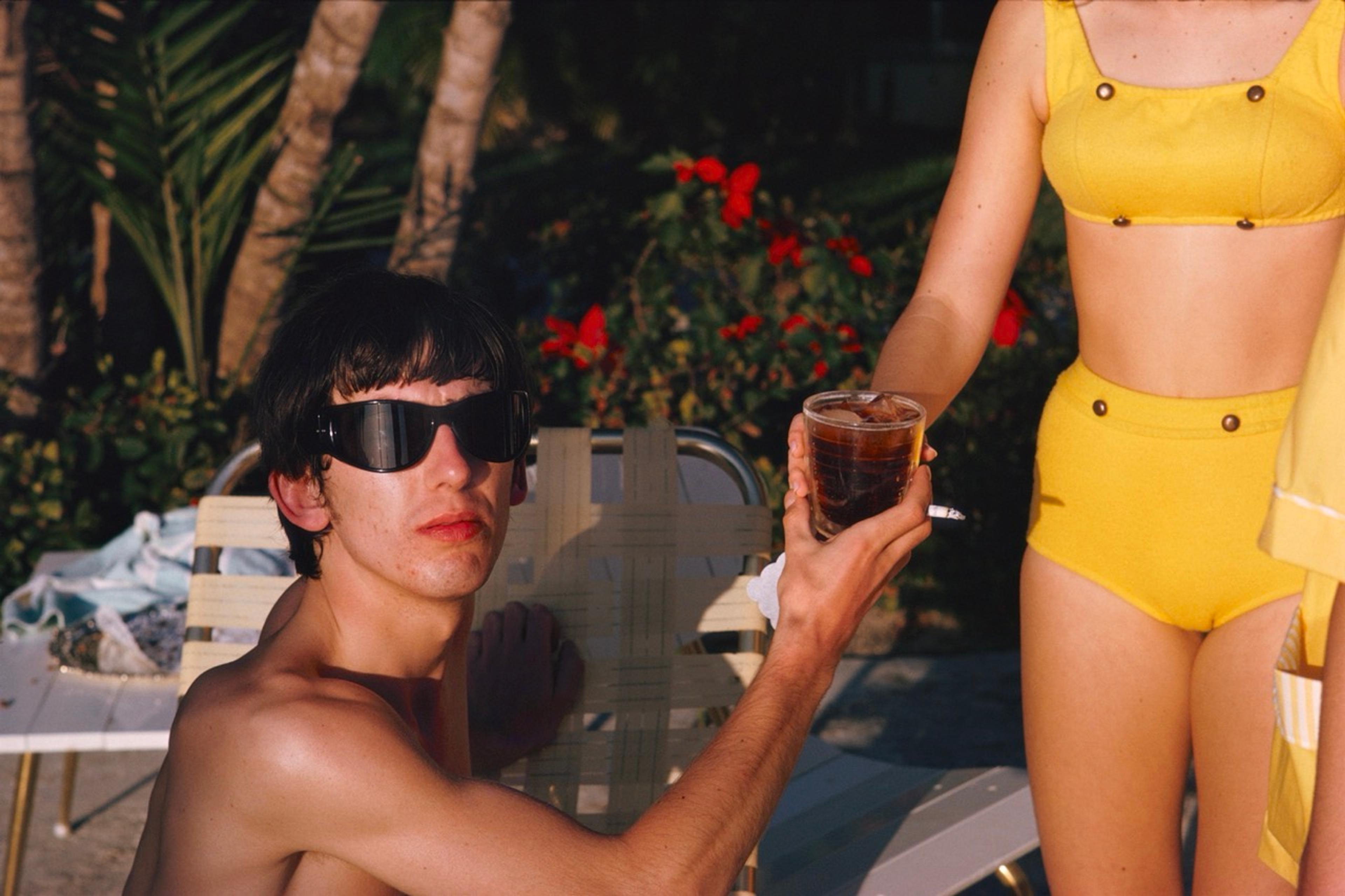
Drawn from a collection of nearly 1,000 photographs rediscovered in Paul McCartney's personal archive, the images form a visual diary of the three months between December 1963 and February 1964, illuminating both the historical and personal moments Paul McCartney and his bandmates experienced together as their fame stopped being a choice and became a force they couldn't outrun.
A selection from this collection will be on display at Fotografiska Berlin organised in partnership with London's National Portrait Gallery. From early performances in the UK to the band's landmark appearance on The Ed Sullivan Show in New York before an audience of 73 million, the exhibition traces a cultural shift as it was happening. While photographers and television crews surrounded the band at every turn, Paul McCartney's own camera recorded a perspective no one else could capture: Beatlemania from within.
Beyond their extraordinary access, the photographs reveal Paul McCartney's instinctive visual language. Moving between portraiture, landscape and documentary photography, his images reflect the photographic culture of the early 1960s, with echoes of New Wave cinema, documentary filmmaking, and photojournalism. Together, they show an artist exploring the possibilities of the camera while navigating an unprecedented moment in music and cultural history.
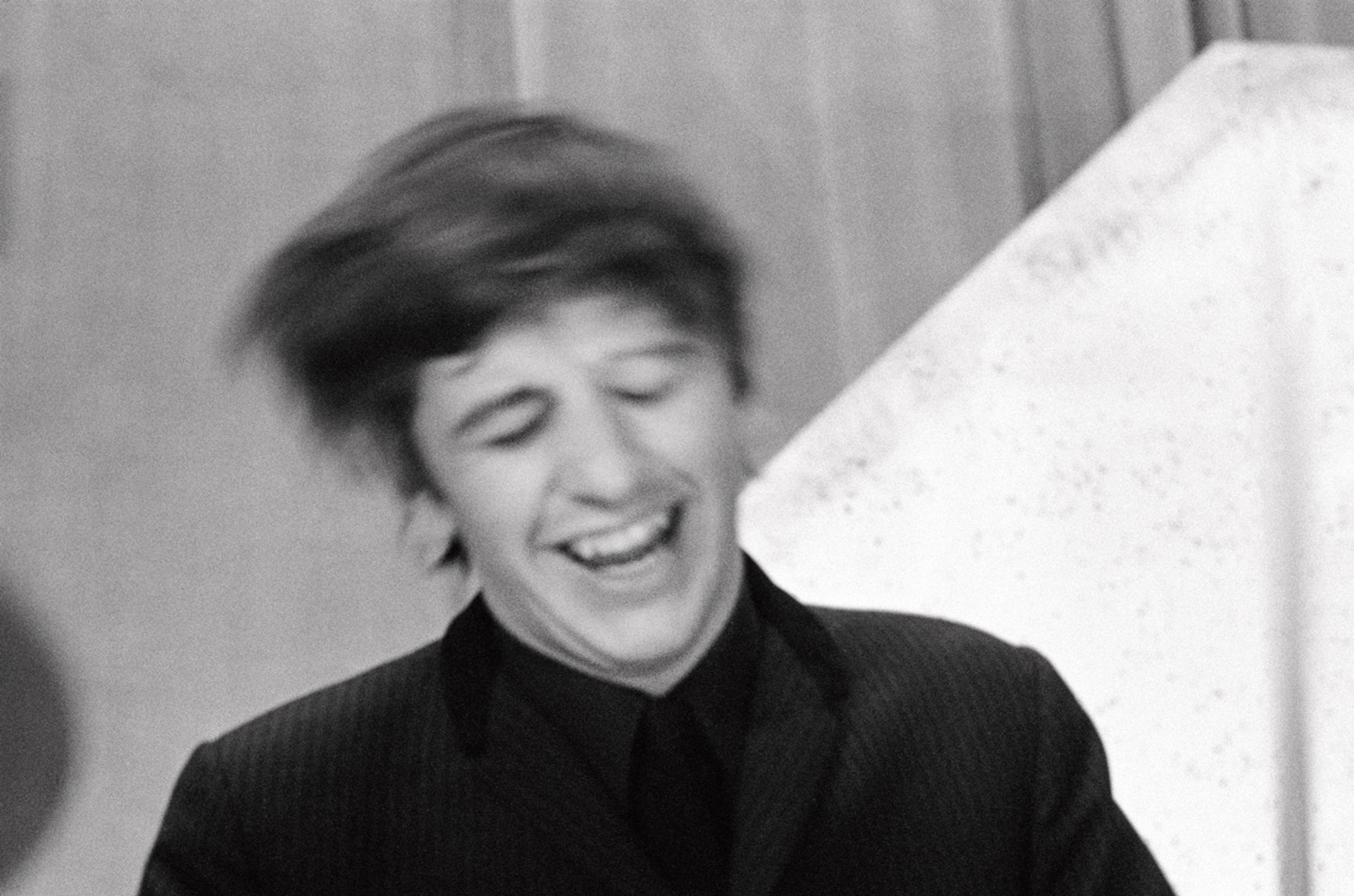
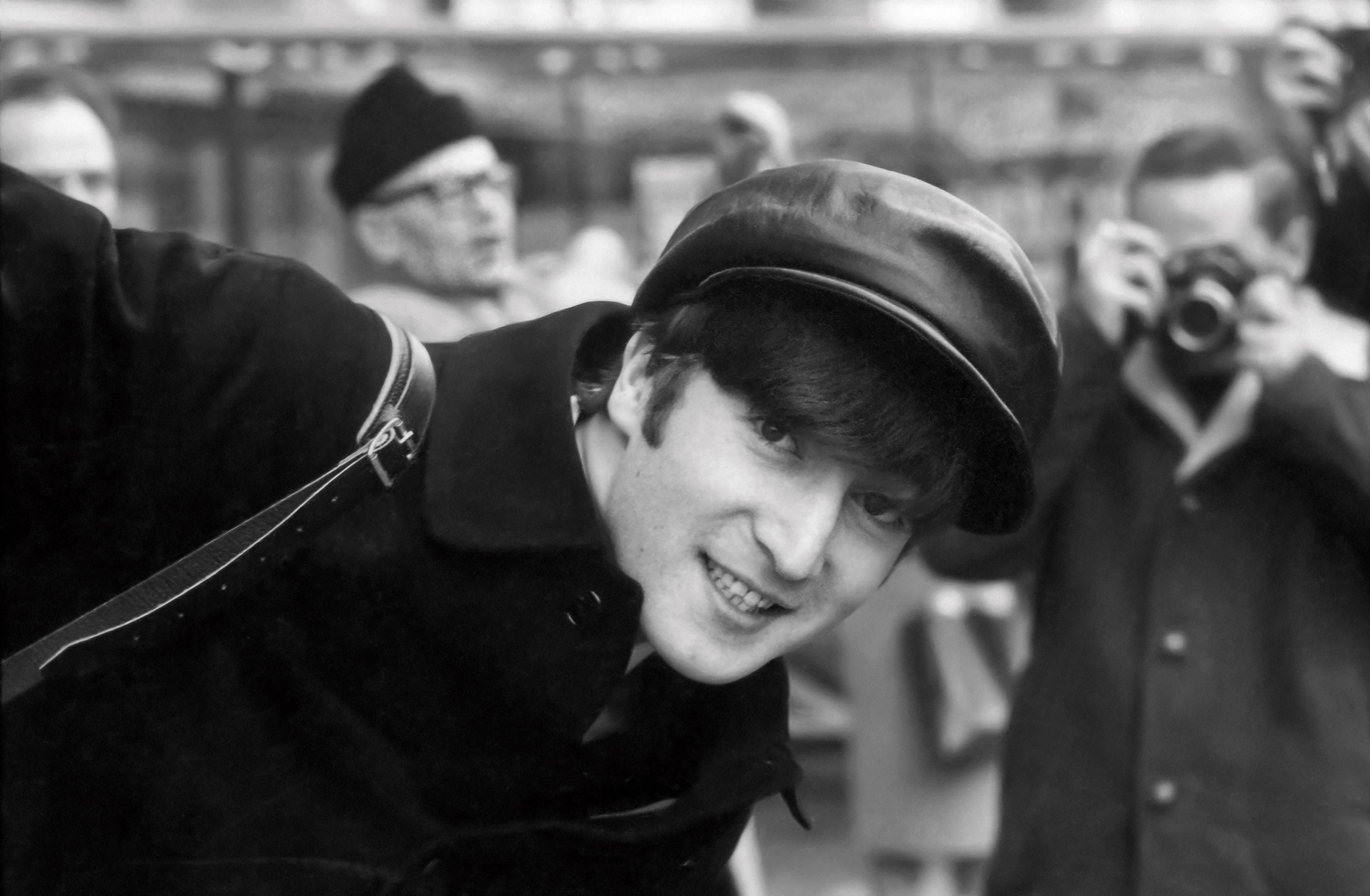
Paul McCartney photographed the structures of public life from the inside: press conferences, police escorts, hotel rooms, rehearsal days, fans, friends, city streets, and personal moments between appearances. Some of the exhibition's most revealing images are also its quietest. Amid the noise, Paul McCartney's camera captures moments of rest, humor, friendship, and curiosity.
The exhibition also includes Beatles Touring. A Photofilm, a presentation that brings Paul McCartney's photographs of the band's first trip to Miami into motion. As Paul McCartney later recalled in Anthology, "Miami was like paradise. We had never been anywhere where there were palm trees. We were real tourists; we had our Pentax cameras and took a lot of pictures." Many of the photographs taken in Miami reflect this sense of temporary escape, capturing moments of leisure and spontaneity far removed from the crowds waiting outside. Using contemporary technology to animate the archive, Photofilm extends the exhibition's central idea: not nostalgia, but a renewed encounter with memory. For the film, Paul McCartney revisited his 2007 song 222, expanding it into a new, bespoke piece of music.
ABOUT THE ARTIST
Paul McCartney is one of the most influential musicians and songwriters of the 20th and 21st century. Alongside John Lennon, George Harrison and Ringo Starr, he helped create some of the most enduring songs in popular music and played a central role in the cultural phenomenon known as Beatlemania. After The Beatles, McCartney continued a highly successful career with Wings and as a solo artist.
Less widely known is Paul McCartney's work as a photographer. Between December 1963 and February 1964, at the height of The Beatles' rapid rise to international fame, he took hundreds of photographs with his own camera. These images capture the band, their travels and the people around them from an unusually intimate point of view.
CREDITS
The exhibition is curated by Paul McCartney with Sarah Brown on behalf of MPL Communications Limited and Rosie Broadley for the National Portrait Gallery, London, and presented by Fotografiska. The presentation at Fotografiska Berlin is organized by Johan Vikner, Global Director of Exhibitions at Fotografiska, and Thomas Schäfer, Director of Exhibitions, Fotografiska Berlin.
ABOUT NATIONAL PORTRAIT GALLERY
Founded in 1856, the National Portrait Gallery tells the story of Britain through portraits, using art to bring history to life and explore living today. From global icons to unsung heroes, our Collection is filled with the stories that have shaped, and continue to shape a nation. We celebrate the power of portraiture and offer encounters with some of the world’s greatest and most exciting new artists, promoting engagement with portraiture in all media to a wide-ranging public by conserving, growing and sharing the world’s largest collection of portraits.